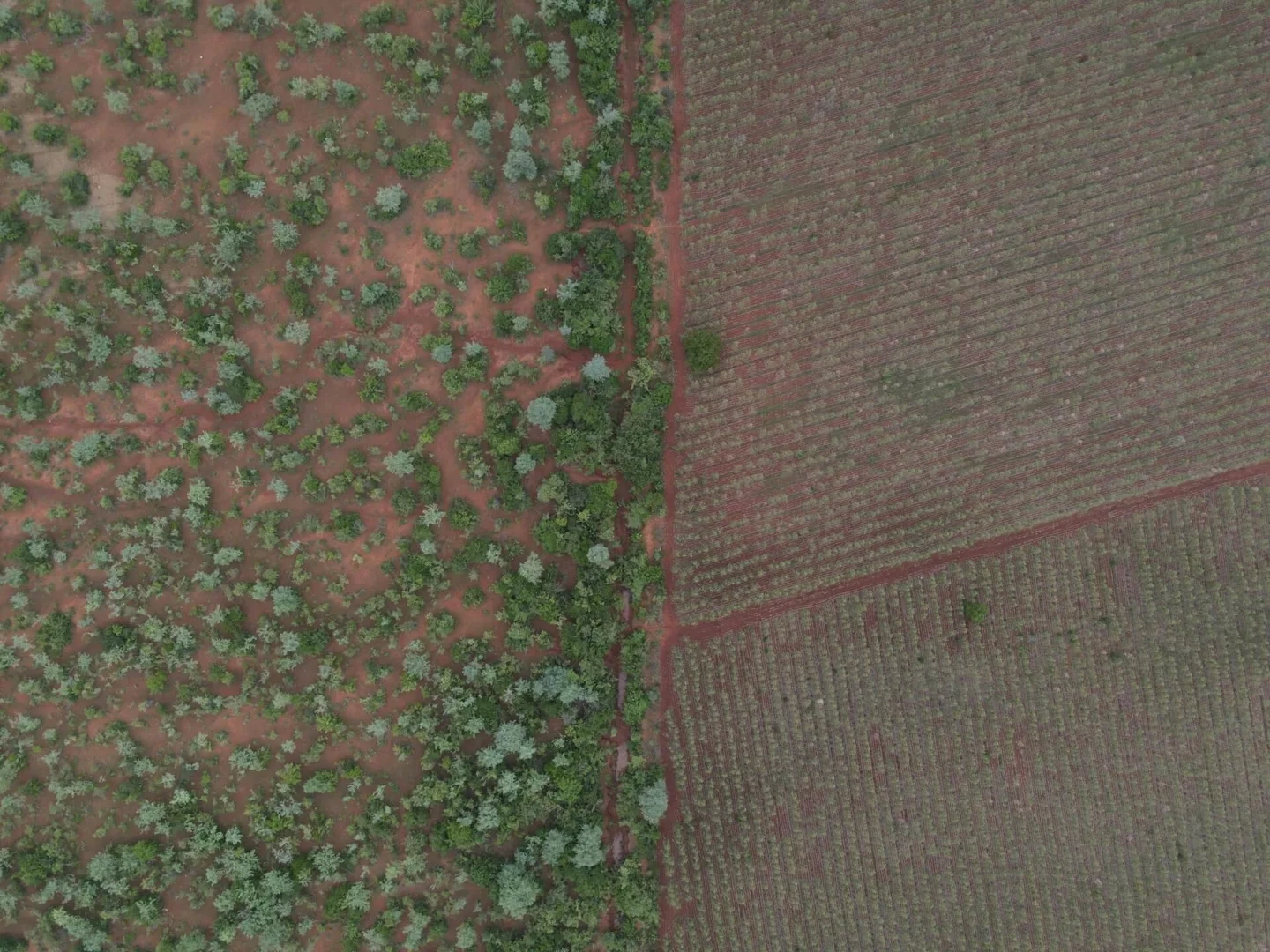
Conserving open natural ecosystems: grasslands, savannas, deserts, and scrublands
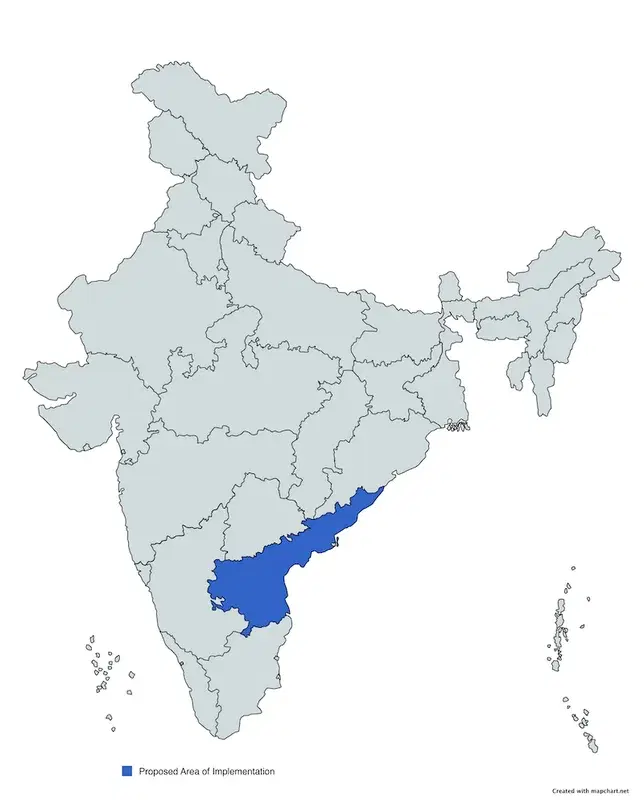
Conserving open natural ecosystems: grasslands, savannas, deserts, and scrublands
The aim is to understand how climate change and land-use changes are affecting the vegetation and bird communities in Open Natural Ecosystems, and to use this understanding to inform conservation strategies.


- (i) Environmental Sustainability
- (ii) Ecological Balance
Andhra Pradesh
Open for funding
New Project
Executive summary
Open Natural Ecosystems (ONEs) include grasslands, savannas, deserts, and scrublands. They form some of India's most unique landscapes. Only about five percent of these ecosystems are protected, despite their ecological and cultural significance. They provide essential services like carbon storage, water regulation, and pollination, and support unique flora and fauna. Despite this, ONEs are often still categorized as "wastelands" in policy frameworks, leading to neglect and inappropriate management.
The pressures on ONEs are increasing. Climate change is altering rainfall patterns, making them more unpredictable and variable. Periods of drought are followed by periods of excess rainfall, creating unstable ecological conditions. Changes in land use, like intensive farming, irrigation, and urban growth, are fragmenting habitat and altering vegetation. Dense woody growth and invasive species are taking over the open habitats that many specialist birds rely on. These pressures have complex effects and are often delayed. If we fail to conduct research and take informed conservation action, these ecosystems may suffer irreversible biodiversity loss and reduced resilience.
The aim is to understand how climate change and land-use changes are affecting the vegetation and bird communities in Open Natural Ecosystems, and to use this understanding to inform conservation strategies that conserve biodiversity and ecosystem resilience in Southern Andhra Pradesh.
Objectives and Proposed Activities
- Monitor changes in vegetation structure and composition under climate and land-use pressures.
- Assess bird community dynamics, focusing on species-specific and functional group responses.
- Map land-use change and landscape fragmentation to evaluate habitat loss and connectivity.
- Translate research findings into conservation strategies and policy recommendations.
This study will provide a detailed understanding of how climate variability and land-use change are shaping ONEs. It will identify at-risk species and functional groups. It will point out crucial habitats that ensure connectivity. Additionally, it will provide evidence-based policy recommendations for ecosystem conservation. Recognising ONEs as ecologically valuable, rather than "wastelands," can shift how we prioritise and shape conservation policies. The results will help to conserve biodiversity, boost the resilience of ecosystems, and promote positive interactions between people and nature in these areas.
About the NGO
The Nature Conservation Foundation (NCF) was established in 1996 as a public charitable trust. At NCF, their goal is to contribute to the knowledge and conservation of India’s unique wildlife heritage with innovative research and imaginative solutions. NCF works in a range of wildlife habitats—from coral reefs and tropical rainforests to the high mountains of the Himalaya. Here, they strive to understand the survival needs of endangered species such as snow leopards and elephants, as well as equally fascinating but lesser-known wildlife such as corals and spiders. Their research also addresses human resource-use and its impacts on wild species and ecosystems. Using this knowledge of wildlife ecology and human society, they design conservation strategies that are locally appropriate. These are implemented in collaboration with local communities who depend the most on natural resources, and the governments that manage them. While promoting wildlife conservation, our programmes also strive to safeguard livelihood and development options for local communities.