Friends of Leopard: Science, Community, and Conservation in Action
Friends of Leopard: Science, Community, and Conservation in Action
The Friends of Leopard program by Sahyadri Sankalp Society addresses human-leopard conflict in Ratnagiri through community-led, science-based interventions.


- (i) Environment Sustainability
- (ii) Ecological Balance
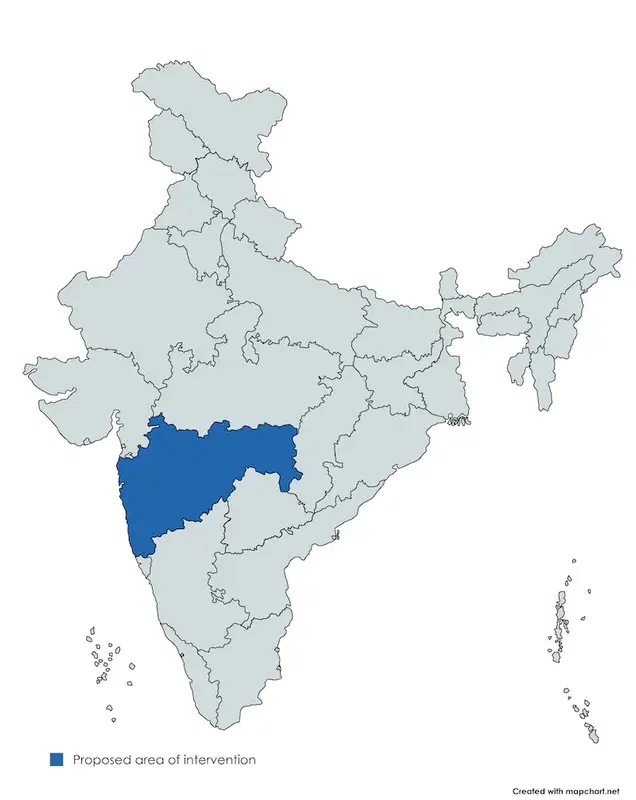
Maharashtra
Successfully Funded
Existing Project
Executive summary
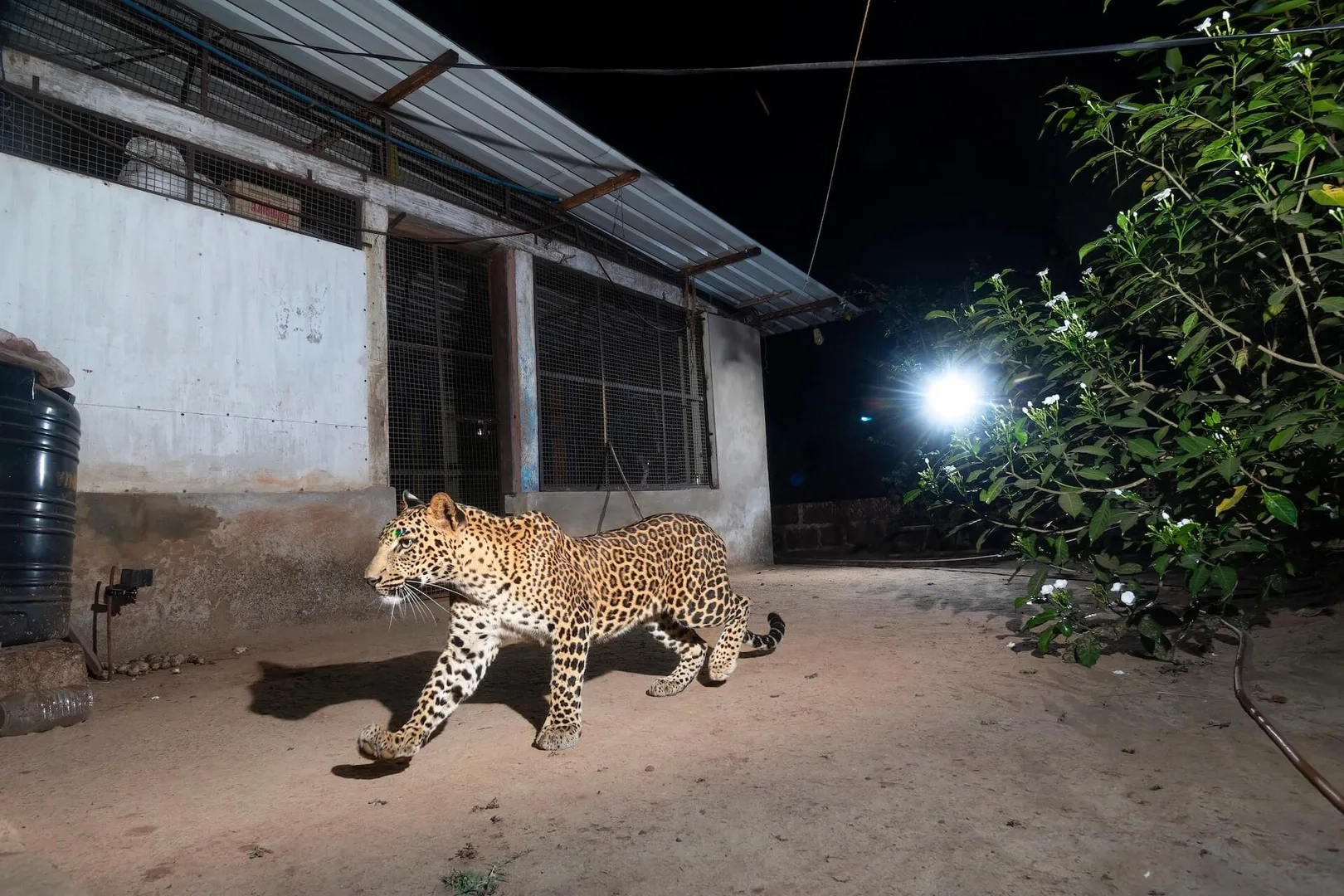
The Friends of Leopard (Bibatya Mitra in Marathi) program, led by the Sahyadri Sankalp Society, is an innovative and scalable response to the growing challenge of human-leopard conflict in India’s Western Ghats. Successfully implemented over the past four years, the initiative has demonstrated that community-led, science-based interventions can transform fear and conflict into coexistence between people and wildlife. This model is particularly relevant in Maharashtra’s Ratnagiri district, where 369 human-leopard conflict incidents were recorded last year, driven largely by habitat loss and shrinking forest cover that force leopards closer to villages and farms.
The resulting tensions create fear, livestock losses, livelihood insecurity and retaliatory threats to leopards, an important keystone species. To address this, the program uses a holistic four-point strategy that combines ecological science, local leadership, safety measures and education.
-
the initiative uses science-driven decision making through GIS habitat mapping and 10 strategically placed trail cameras across 50 sq. km to identify leopard movement corridors and conflict hotspots. This data enables proactive conservation planning and real-time monitoring.
-
the Bibatya Mitra volunteer network trains local champions in solar lamp installation, predator-proof fencing, rescue procedures and conflict response. By placing communities at the center of conservation, the program creates trusted local stewardship and long term ownership.
-
the project strengthens livelihood and household safety by providing 500 families with motion-activated solar lamps and predator-proof livestock enclosures. These measures reduce nighttime risks, protect incomes and help families resume normal routines without fear.
-
the initiative invests in habitat restoration and future awareness by planting 3,500 trees to rebuild green corridors and conducting education programs for over 3,500 students through films, presentations and outreach.
The expected outcomes include safer communities, stronger local governance, protected livelihoods, improved monitoring systems and greater public awareness. Overall, the Friends of Leopard program offers a proven, sustainable model for balancing biodiversity conservation with community well-being, creating a future where both people and leopards can thrive together.
About the NGO
The Sahyadri Sankalp Society was founded with a strong passion to safeguard the sensitive ecosystems of the Sahyadri region. Their journey began with passionate group of ecologists, researchers, and community leaders who recognized the urgent need to protect the unique biodiversity of this area, while ensuring that the local communities could thrive alongside nature.
The Western Ghats, a UNESCO World Heritage Site, are known for their rich biodiversity, harboring thousands of species of plants, animals, and birds, many of which are found nowhere else in the world. However, the growing threats of deforestation, climate change, and unsustainable agricultural practices have put these natural wonders at risk.
Driven by a commitment to make a tangible difference, the organization was established to focus on conservation, sustainable development, and community empowerment. They hand in hand with youth, women and farmers in local villages, educational institutes and government agencies and other stakeholders to create impactful, long-term solutions that benefit both nature and people.