Mapping Climate Vulnerability and Resilience Across Landscapes
Mapping Climate Vulnerability and Resilience Across Landscapes
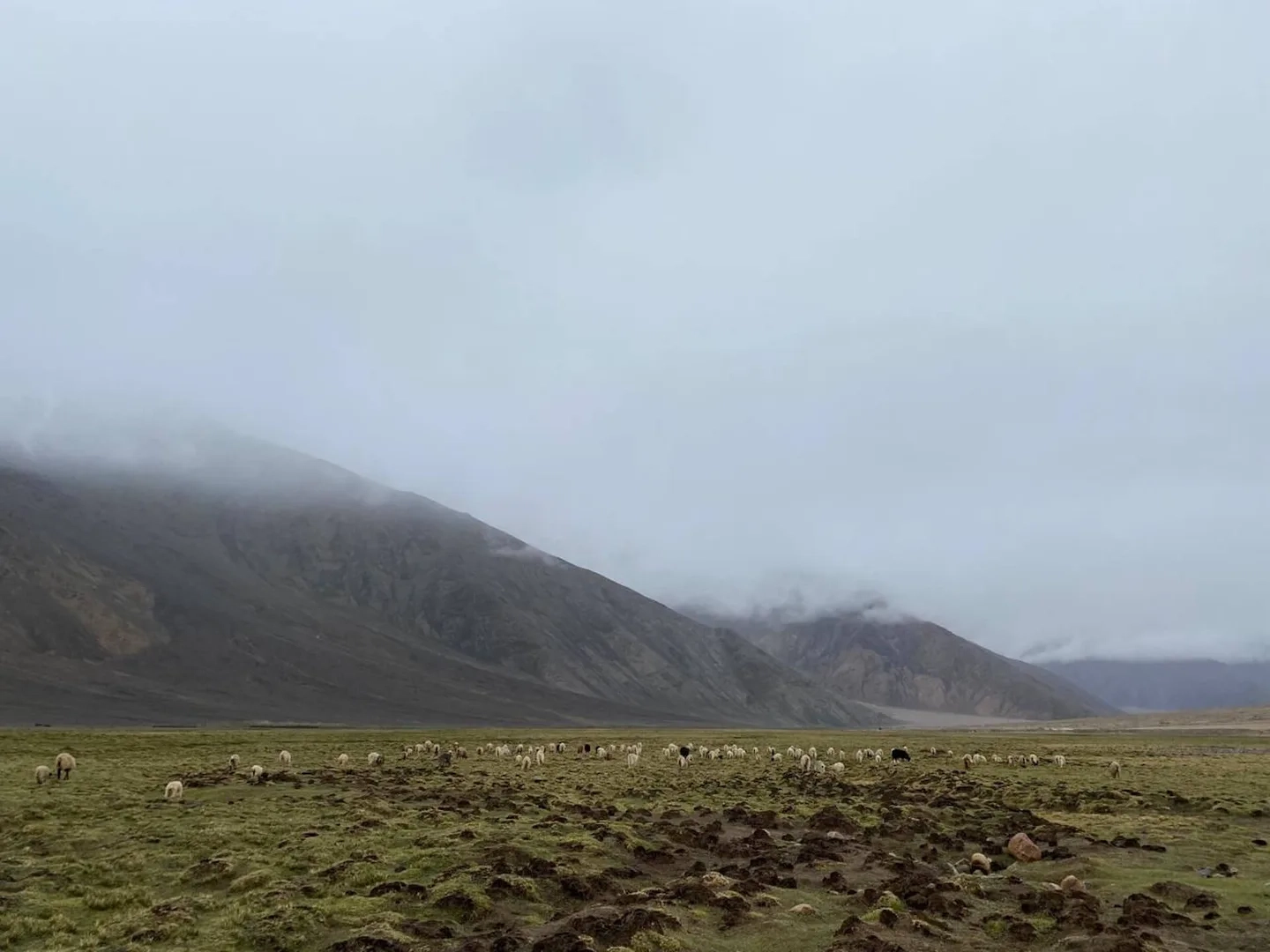
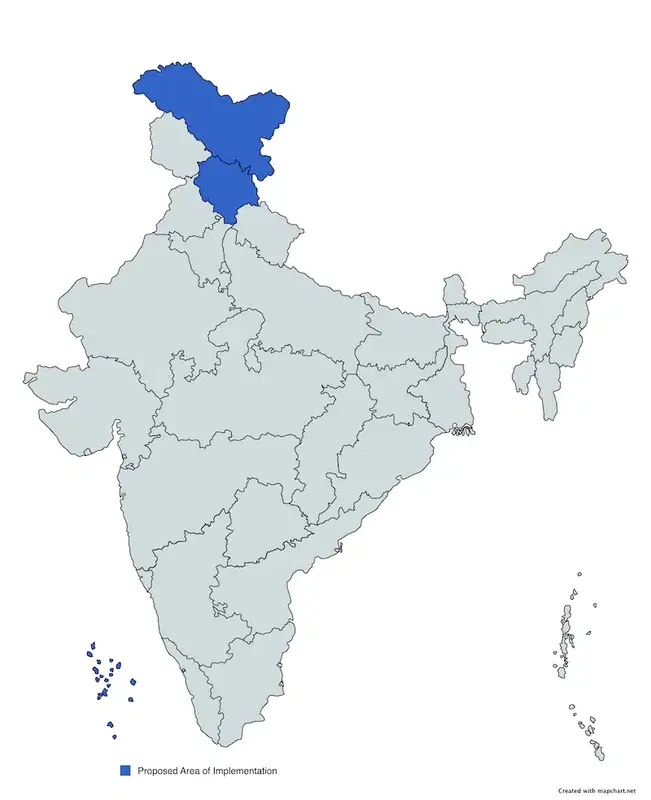
The aim is to investigate climate vulnerability, resilience and adaptation across three highly climate-sensitive regions: Ladakh, Himachal Pradesh and Lakshadweep.

- (i) Environmental Sustainability
Ladakh, Himachal Pradesh, Lakshadweep
Open for funding
New Project
Executive summary
Climate change has rapidly become a lived reality, unfolding globally, however the impact is mediated by place specific factors. Over 80% of India’s population resides in districts classified as highly vulnerable to extreme hydro-meteorological disasters, including floods, droughts, cyclones, cloudbursts and landslides (CEEW, 2021). These risks are compounded by deficits in preparedness and limited adaptive capacities. Inadequate mitigation alone is estimated to have cost the country ₹6.76 trillion (USD 89.7 billion) over the past two decades, reflecting both direct infrastructural damages and disruptions to livelihoods, food and water systems, and access to healthcare facilities. As extreme events intensify, the temporal window for effective adaptation is narrowing. This exemplifies the urgent need to move beyond generalized vulnerability assessments and prioritize layered understandings of climate vulnerability, scaling context-specific resilience pathways and co-creating adaptive strategies with affected communities.
Mountain and island regions are particularly vulnerable due to their geographic isolation and rapidly transforming socio-ecological and socio-economic landscapes. Meanwhile, micro-climatic variability threatens the stability of generational livelihood systems, such as Himalayan agro-pastoralism or island fishing communities, undermining both ecological sustainability and social resilience. For low-lying coral atolls, the hazard is existential – sea level rise, declining reefs, land loss and threatened water supplies together call test the continued habitability of these spaces for island societies.
The aim is to investigate climate vulnerability, resilience and adaptation across three highly climate-sensitive regions: Ladakh, Himachal Pradesh and Lakshadweep. And propose place-based adaptation building, co-creation of measures with the communities integrating research, community engagement and policy translation to strengthen resilience and adaptation capacity.
What We Propose to Do
- Develop landscape-specific vulnerability frameworks integrating quantitative indices (e.g., Livelihood Vulnerability Index) with qualitative, community-driven perspectives.
- Identify gendered and intersectional dimensions of vulnerability and co-create context-sensitive adaptation measures.
- Establish common vulnerability indicators across landscapes and work towards a social measure of vulnerability with monitoring mechanisms.
- Document local resilience practices and support pathways to scale them into sustainable, long-term adaptive strategies.
- Translate research into action through policy briefs and community-led monitoring frameworks.
This study addresses critical gaps by moving beyond generalized metrics to develop context-sensitive, intersectional frameworks that capture the nuanced realities of vulnerable communities. The frameworks generated will be scalable, extending beyond Ladakh, Himachal Pradesh and Lakshadweep to inform resilience-building in other transitioning and impacted ecosystems across the Indian sub-continent.
About the NGO
The Nature Conservation Foundation (NCF) was established in 1996 as a public charitable trust. At NCF, their goal is to contribute to the knowledge and conservation of India’s unique wildlife heritage with innovative research and imaginative solutions. NCF works in a range of wildlife habitats—from coral reefs and tropical rainforests to the high mountains of the Himalaya. Here, they strive to understand the survival needs of endangered species such as snow leopards and elephants, as well as equally fascinating but lesser-known wildlife such as corals and spiders. Their research also addresses human resource-use and its impacts on wild species and ecosystems. Using this knowledge of wildlife ecology and human society, they design conservation strategies that are locally appropriate. These are implemented in collaboration with local communities who depend the most on natural resources, and the governments that manage them. While promoting wildlife conservation, our programmes also strive to safeguard livelihood and development options for local communities.