Empowering Women, Protecting Snow Leopards
Empowering Women, Protecting Snow Leopards
Women in Conservation project is making a difference by training local women to become wildlife researchers and conservation leaders.



- (i) Ecological Balance
- (ii) Livelihood Enhancement
- (iii) Promoting Gender Equality
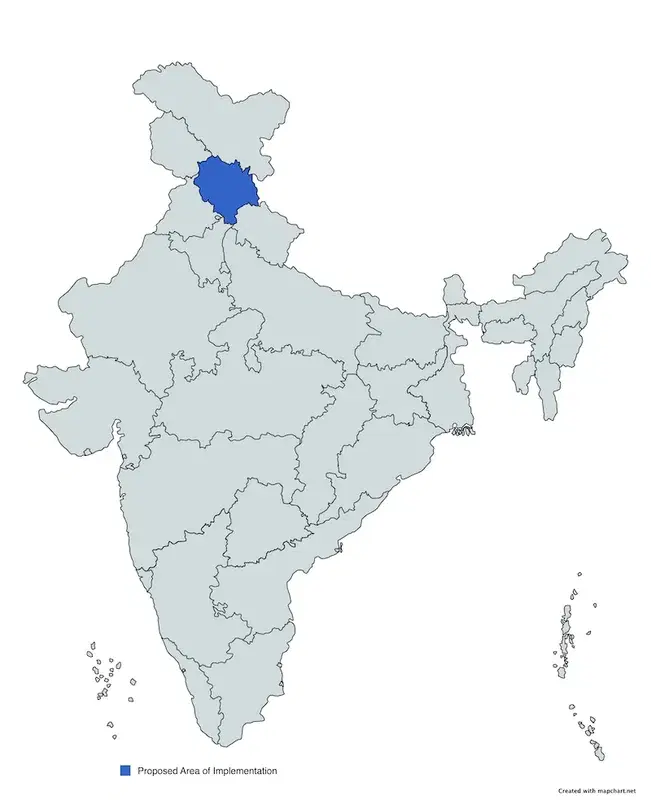
Himachal Pradesh
Open for funding
Existing Project
Executive summary
The Western Trans-Himalayan region of Spiti, Himachal Pradesh, is a critical biodiversity hotspot within the "Third Pole." While local communities share a deep bond with nature, conservation efforts have historically sidelined women. Research indicates that women, despite their pivotal roles in managing livestock and forests, often harbor negative views toward predators like snow leopards due to their exclusion from decision-making and research.
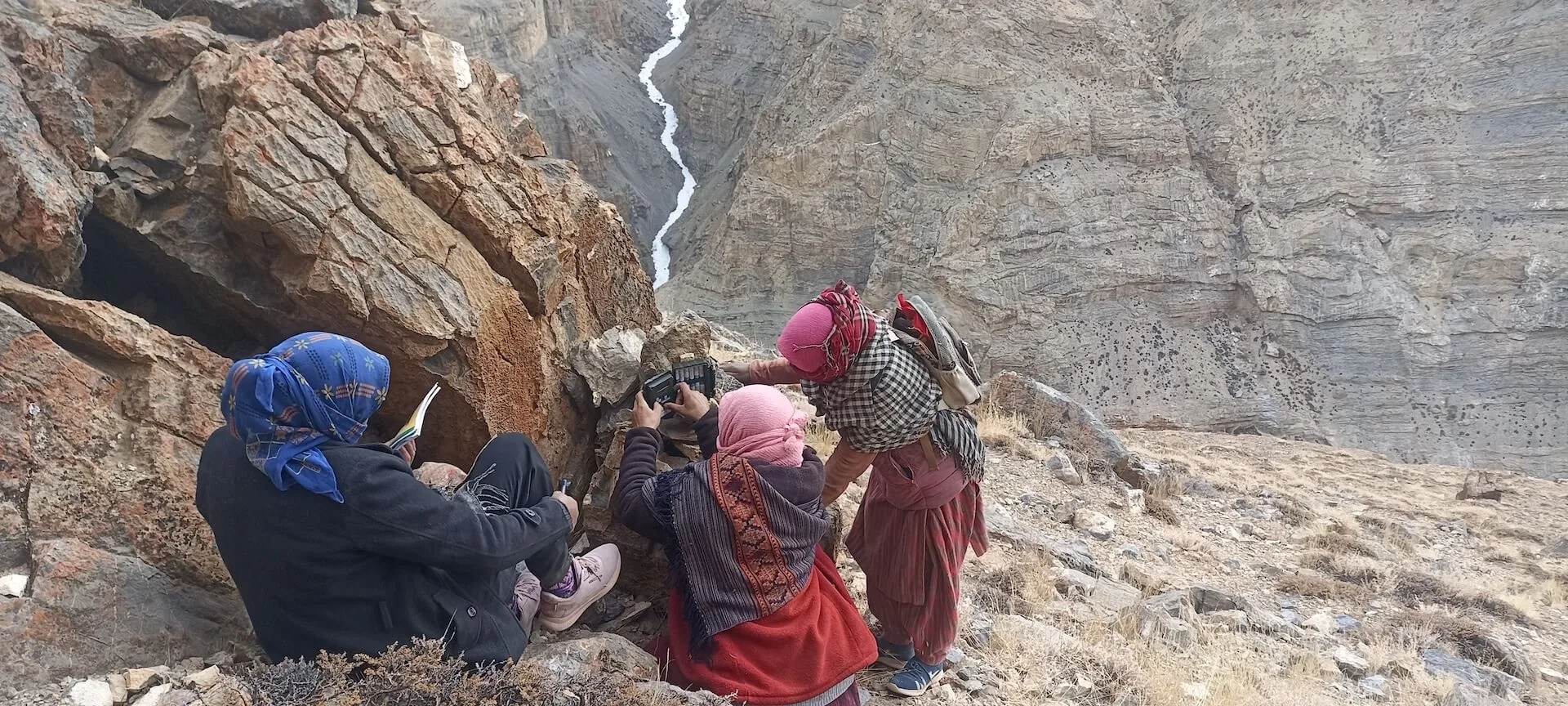
The "Women in Conservation" Initiative is a pioneering project addressing the gender imbalance in wildlife research. While 14 year camera trap study in Upper Spiti is the longest of its kind, it remained an all-male endeavor until recently. In 2023, the "Women in Conservation" initiative was launched to integrate Indigenous ecological knowledge with scientific rigor, empowering women to lead snow leopard monitoring.
Key Achievements & Impact
-
Capacity Building: Eleven women (ages 27–53) were trained in field techniques, including the deployment and retrieval of camera traps across rugged village pastures.
-
Computer literacy: Participants mastered computer skills to tag and analyze over 100,000 images, identifying nine mammal species (including wolves and ibex) and contributing to the first-ever global snow leopard population assessment led by local women.
-
Attitudinal Shift: Direct involvement in research is bridging the knowledge gap, fostering more positive attitudes toward predators, and ensuring inclusive conservation strategies.
Following a successful 2024 proof-of-concept, the project will expand to new villages. The experienced Kibber team will mentor others to monitor 35–40 locations during winter—a critical period for understanding snow leopard birthing and home ranges. This initiative establishes a sustainable, community-led framework that ensures the ecological integrity of the Himalayas through gender equity and scientific excellence.
About the NGO
The Nature Conservation Foundation (NCF) was established in 1996 as a public charitable trust. At NCF, their goal is to contribute to the knowledge and conservation of India’s unique wildlife heritage with innovative research and imaginative solutions. NCF works in a range of wildlife habitats—from coral reefs and tropical rainforests to the high mountains of the Himalaya. Here, they strive to understand the survival needs of endangered species such as snow leopards and elephants, as well as equally fascinating but lesser-known wildlife such as corals and spiders. Their research also addresses human resource-use and its impacts on wild species and ecosystems. Using this knowledge of wildlife ecology and human society, they design conservation strategies that are locally appropriate. These are implemented in collaboration with local communities who depend the most on natural resources, and the governments that manage them. While promoting wildlife conservation, our programmes also strive to safeguard livelihood and development options for local communities.